Planning a Tanzania family safari with kids involves a genuinely different set of considerations than a couple's or solo trip, age restrictions on game drives, malaria precautions, realistic attention spans, and finding accommodations actually equipped for children rather than just tolerant of them. Getting these details right upfront makes the difference between a magical family memory and a stressful, poorly paced trip.
This guide covers exactly which parks, lodges, and itinerary structures work best for families traveling with children of varying ages, so you can plan a safari that's genuinely enjoyable for everyone, not just the adults.
Best Parks for Family Safari Tanzania: Where to Focus Your Trip
Not every park suits every age group equally well. The best parks for family safari Tanzania trips typically include Ngorongoro Crater, Tarangire National Park, and parts of the Serengeti, each offering distinct advantages for traveling with children.
Ngorongoro Crater concentrates wildlife into a relatively compact area, meaning children don't need to endure hours of driving between sightings, an important consideration for shorter attention spans. Tarangire offers a quieter pace with exceptional elephant viewing and spacious, family-oriented campsites, making it particularly well suited to younger children who benefit from a calmer, less crowded environment.
Family-Friendly Serengeti Safari: Making the Vast Plains Work for Kids
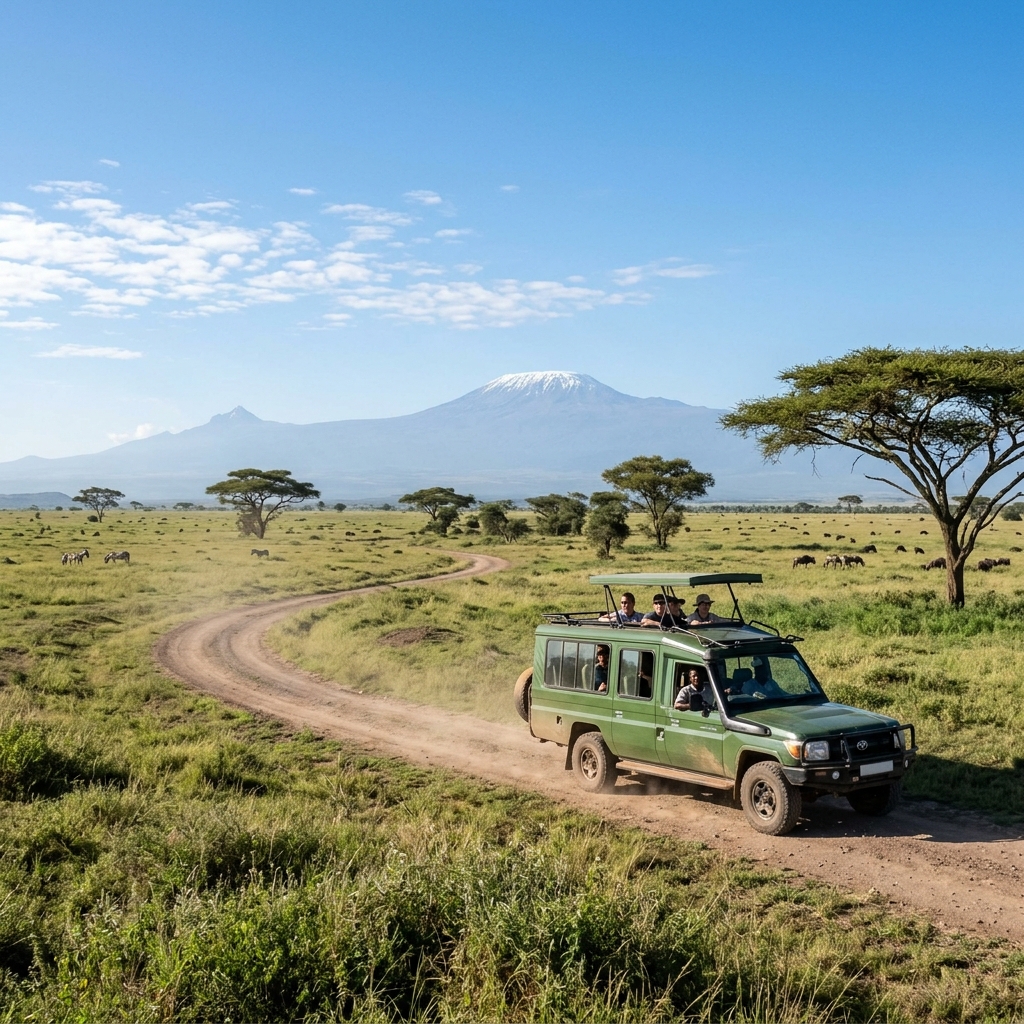
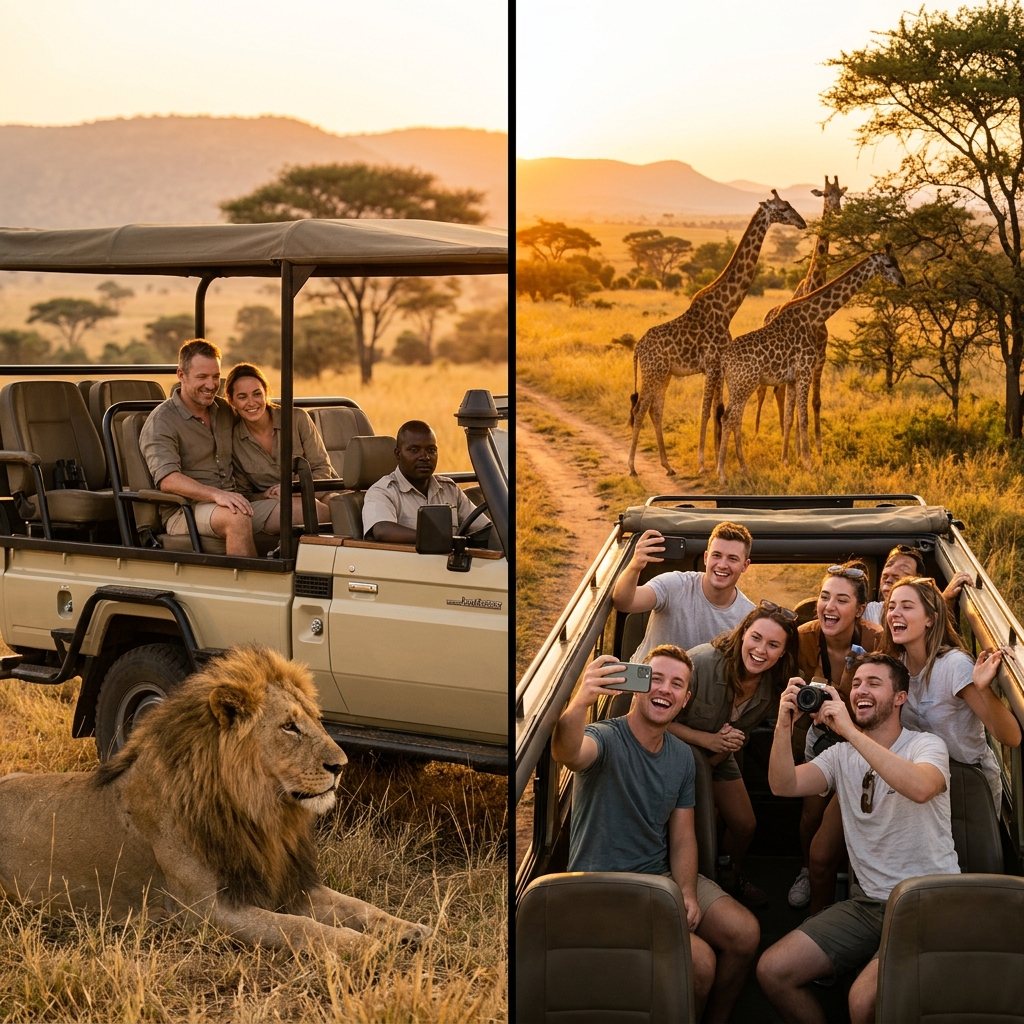
A family-friendly Serengeti safari is absolutely achievable, but it requires more deliberate planning than a couple's trip might. The Serengeti's well-maintained roads and reliable wildlife density make game drives comfortable and genuinely engaging for children, particularly when paired with a private vehicle that allows flexible timing and shorter drive segments.
Choosing accommodation within or very near the park, rather than lodges requiring long daily transfers, keeps actual driving time to a minimum, preserving both children's patience and the family's overall enjoyment of the trip.
Kid-Friendly Safari Lodges Tanzania: What to Look For
Finding genuinely kid-friendly safari lodges Tanzania families can rely on means looking beyond generic marketing claims toward specific, practical features. Prioritize lodges with fenced or enclosed camps for added safety, family suites or interconnecting rooms rather than requiring separate bookings, swimming pools for downtime between game drives, and staff genuinely experienced with children, not just tolerant of their presence.
Some properties also offer child-minding services, allowing parents to enjoy a game drive or dinner while younger children are cared for onsite, a detail worth confirming directly if you're traveling with a mixed-age group.
Tanzania Safari Itinerary for Families: Pacing It Right
A well-structured Tanzania safari itinerary for families should avoid the common mistake of packing in too many one-night stays, which creates exhausting, constant packing and unpacking for young children. Instead, plan for two to three nights minimum at each location, allowing children time to settle into a rhythm rather than feeling perpetually rushed.
Building in deliberate downtime, pool afternoons, shorter morning game drives instead of full-day outings, and flexible meal timing, matters significantly more for family trips than maximizing the number of parks visited within a set number of days.
Family Safari Tanzania Age Requirements: What Parents Need to Know
Understanding family safari Tanzania age requirements before booking prevents unwelcome surprises at check-in. Tanzania's national parks themselves don't impose a minimum age for entry, but individual lodges and camps set their own policies, commonly requiring children to be at least 5 or 6 years old for shared game drives, with some luxury tented camps setting the bar higher, around 8 to 10 years, for shared vehicles specifically.
Walking safaris and night drives typically carry stricter age minimums, often 12 to 16 years, due to genuine safety considerations. Booking a private vehicle rather than a shared group drive is the most reliable way to work around these restrictions for younger children, since private bookings often allow more flexibility than shared, multi-family arrangements.
Best Tanzania Safari for Young Children: Realistic Expectations
Determining the best Tanzania safari for young children, roughly ages 2 to 5, means accepting some genuine trade-offs. This age group generally does best with private vehicles, shorter game drive segments, lodge-based stays with pools and flexible schedules, and avoiding overly ambitious multi-park itineraries within a short timeframe.
Malaria-risk consideration also becomes particularly important for very young children, making it worth discussing preventive options and destination choices with a travel health professional well before your trip.
Tanzania Safari with Toddlers: Is It Actually Feasible?
Many parents specifically ask whether a Tanzania safari with toddlers is realistic, and the honest answer is yes, with the right planning. While TANAPA itself doesn't restrict park entry by age, most camps set their own minimums, often around 5 or 6 for shared drives, though some family-designated properties accept children as young as 4, occasionally younger with advance discussion directly with the lodge.
Success with toddlers generally comes down to choosing private vehicles, planning shorter outings around nap schedules rather than fighting against them, and selecting lodges specifically experienced with very young children rather than simply "child-tolerant" properties.
Ngorongoro Family Safari Itinerary: A Sample Structure
A well-paced Ngorongoro family safari itinerary might look like this: arrive and settle into a family-friendly lodge on the crater rim for two nights, spend one morning on a focused game drive into the crater itself, given wildlife density here means shorter drives still deliver strong sightings, and dedicate afternoons to lodge downtime, pool time, or a cultural visit to a nearby Maasai community.
This structure respects children's attention spans while still delivering the kind of memorable wildlife encounters that make the trip worthwhile for the whole family. For families wanting to extend the trip, our guide on the Tanzania safari cost breakdown can help you understand how adding parks or extending stays affects your overall budget.
Family Safari Packing Tips Tanzania: What Not to Forget
A few practical family safari packing tips Tanzania trips genuinely benefit from: pack layered clothing for early morning game drives that warm up quickly, bring binoculars sized for smaller hands to keep children engaged, don't forget insect repellent and any prescribed anti-malarial medication, and pack simple entertainment, coloring books or travel games, for quieter moments during longer drives or lodge downtime.
A well-stocked first aid kit with child-appropriate medications is also worth bringing, since access to specific pharmacy items can be limited in more remote park locations.
Tanzania Safari Kids Activities: Beyond the Game Drive
Beyond standard game drives, genuinely engaging Tanzania safari kids activities help round out a family itinerary. Many family-oriented lodges offer guided nature walks within camp boundaries, cultural visits to local Maasai villages that give children a meaningful cross-cultural experience, and in some locations, junior ranger programs that teach basic tracking and conservation concepts in an age-appropriate way.
These supplementary activities matter significantly for longer trips, since they break up the routine of game drives and give children hands-on ways to engage with what they're learning about the wildlife and ecosystem around them.
Frequently Asked Questions
1. What's the minimum age for children to go on a Tanzania game drive?
There's no park-wide minimum, but most lodges set their own policies, commonly requiring children to be 5 or 6 years old for shared game drives, with private vehicles often offering more flexibility for younger children.
2. Which Tanzania park is best for very young children?
Ngorongoro Crater and Tarangire National Park are generally considered the most family-friendly, since both offer concentrated wildlife viewing without requiring extremely long game drives.
3. Is malaria prevention necessary for a family safari in Tanzania?
Yes, most Tanzania safari regions carry malaria risk, so consulting a travel health professional about appropriate preventive medication for children is strongly recommended before booking.
4. Should families book private or shared game drive vehicles?
Private vehicles are generally recommended for families with young children, offering flexibility around nap schedules, shorter drive segments, and often fewer age restrictions than shared group vehicles.
5. How many nights should a family safari itinerary include at each location?
Two to three nights per location is generally recommended, avoiding frequent one-night stays that create exhausting, constant packing and unpacking for young children.
Final Thoughts on Planning a Tanzania Family Safari With Kids
A successful Tanzania family safari with kids comes down to realistic pacing, choosing genuinely family-experienced lodges, and matching your itinerary to your children's actual ages and attention spans, rather than trying to fit in as much as an adult-only trip would allow. With the right planning, a Tanzania safari can be just as magical, and often more meaningful, for children as it is for the adults traveling alongside them.
YAWAPEPE SAFARIS 120, Silver Business Park, Arusha, Tanzania Phone: +255 754 123 456 | Email: info@yawapepesafaris.com